Tampa Concrete Slabs
Slabs, Pads & Footings, FL
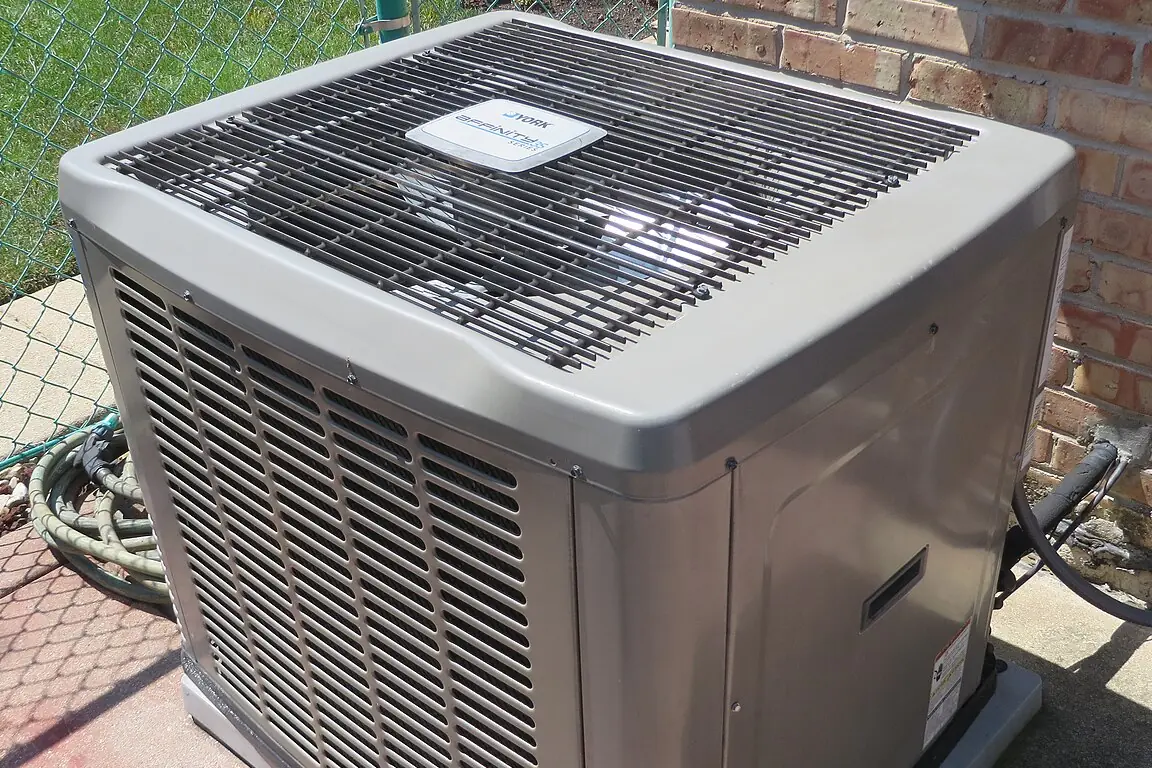
Central air conditioning condenser on a concrete pad beside a brick wall
AC Condenser Pads

AC Condenser Pads in Tampa, FL

An AC condenser pad in Tampa, FL is a level concrete base that holds the outdoor unit at least 3 inches above the ground, as Florida's residential code requires, with solid concrete for the hurricane tie-downs. Tampa Concrete Slabs pours new AC pads and replaces sunken or cracked ones, timed with your HVAC installer.

  • 3 in above grade
  • Level for the compressor
  • Solid for tie-downs
  • Replace sunken pads
Get a Free Quote

The Florida code line for an AC condenser pad

Two short sections of Florida's residential code cover an outdoor condenser's base. The first says ground-supported equipment sits level on concrete or another approved material at least 3 inches above the adjoining ground. The second says appliances meant to stay in place get fastened or anchored.

Florida Building Code, Residential (2023) and the AC pad
SectionWhat it requiresWhat it means for the pad
M1305.1.4.1Level, firmly supported on concrete or approved material, at least 3 in above adjoining groundRaise the top 3 in or more above the finished soil or mulch
M1307.2Appliances fixed in position are fastened or anchoredLeave solid concrete where the straps or bolts land
R401.3Impervious surfaces within 10 ft of the house slope 2% awayPitch the pad away from the wall

Swipe the table sideways to see every column →
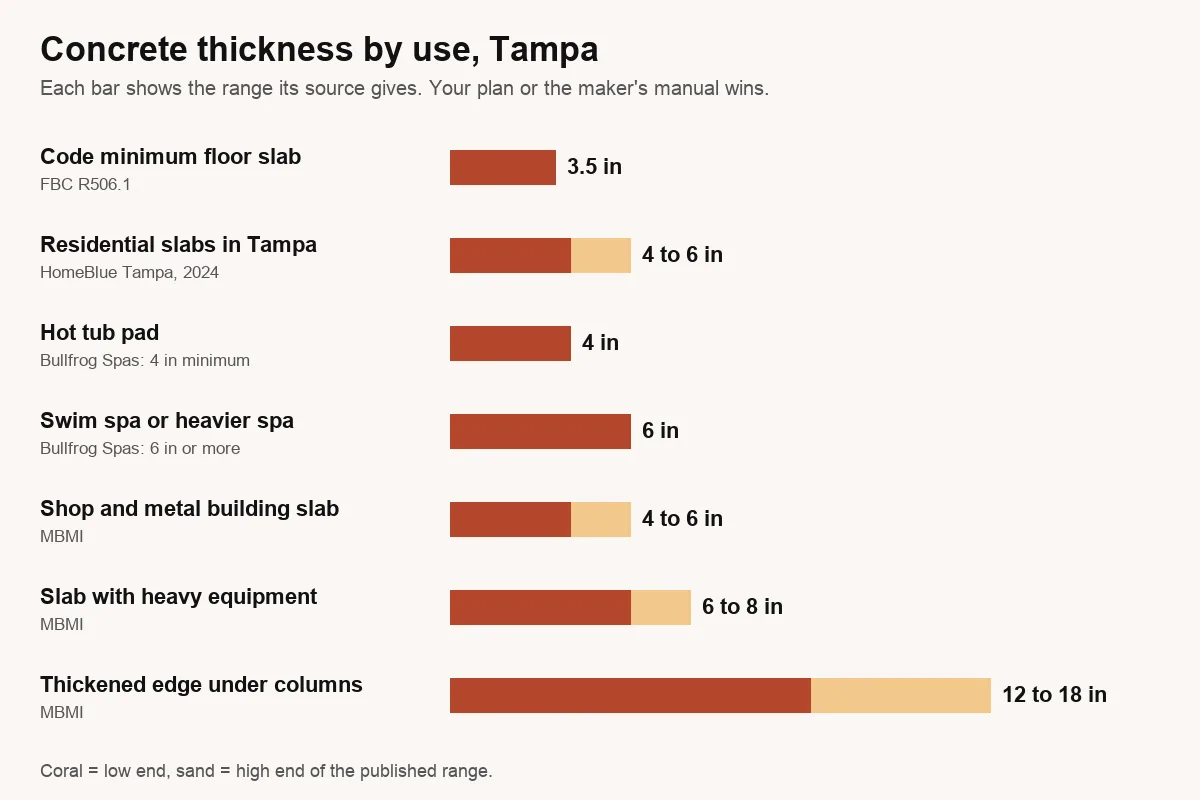
AC condenser pad reference for Tampa FL: concrete thickness by use with the 3.5 inch code minimum
Our own diagram from the sources cited on this site. Not to scale.

Why AC pads sink in Tampa yards

A condenser sits right next to the house, on the soil that was dug out and backfilled when the foundation went in, often under a roof edge that sheds storm water onto it. Loose backfill settles, roof runoff washes sand from under a thin pad, and the unit ends up tilted. A tilted condenser is no longer level, which is the first thing the code asks of its base.

  • The unit leans or the pad has tipped toward the house
  • Mulch or soil has built up to the top of the pad
  • Water pools around the condenser after storms
  • The pad is cracked through or a corner has broken off
  • A new, larger system won't fit the old pad
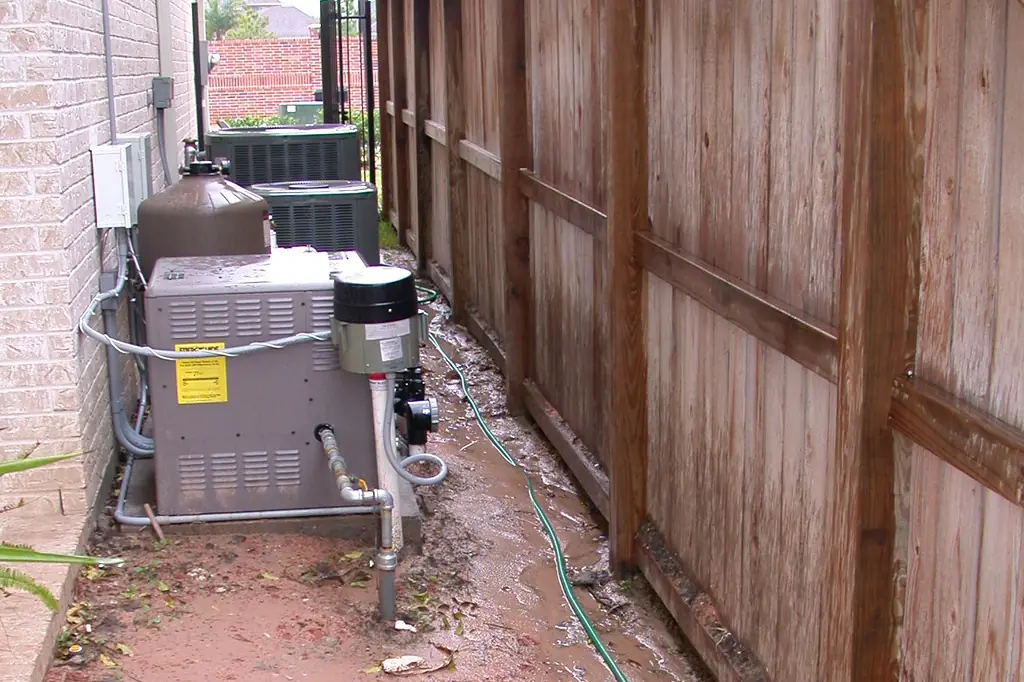
Pool heater and filter on a pad in a narrow side yard beside AC condensers
The usual side-yard lineup: pool heater, filter and the house AC units.

Building a new AC pad

The backfill is compacted or replaced so the new pad doesn't settle the same way, the pad is formed a little larger than the unit with its top at least 3 inches above the finished grade, and the surface pitches gently away from the wall. Where a heat pump for a pool or a second condenser may come later, one longer pad saves a second pour.

Tie-downs and Tampa wind

Tampa's design winds are around 150 to 160 mph, and an unanchored condenser can move or tip. The HVAC installer fastens the unit; the pad's job is to give those fasteners sound concrete away from the edges. The wind and anchoring guide has the background.

More equipment pads: pool equipment pads, generator pads, or the full concrete pad installation overview.

Request a Free Quote

Takes about a minute. The quote is free, with no obligation.

New AC or a sunken pad?

Send the unit size or a photo of the spot and the address.

  • Free quote, no obligation
  • New concrete only: slabs, pads and footings
  • Tampa and unincorporated Hillsborough County
  • Four fields, no phone call needed
Request a Free Quote

Takes about a minute. The quote is free, with no obligation.

AC Condenser Pads in Tampa, FL: Frequently Asked Questions

How high does an AC pad need to be in Florida?

At least 3 inches above the adjoining ground. Florida's residential code says equipment supported from the ground must be level and firmly supported on a concrete slab or other approved material that extends at least 3 inches above grade (M1305.1.4.1).

Do AC condensers have to be tied down in Florida?

Florida's residential code requires appliances designed to stay in place to be fastened or anchored (M1307.2), and Tampa sits in a 150 to 160 mph design wind zone. The condenser's installer handles the unit and its straps; the pad needs to be solid and placed so the anchors have good concrete to grab.

What size concrete pad for an AC unit?

A little bigger than the condenser's base on every side, so the unit and its anchors sit on solid concrete instead of the edge. If a second unit or a pool heat pump might join it, size for both.

Can I replace a sunken AC pad without moving the unit far?

Usually the unit is disconnected and set aside by an HVAC technician, the old pad comes out, a new pad is poured level and above grade, and the unit goes back once the concrete can take it. Coordinate the two visits.

Plastic AC pad or concrete?

Florida's code accepts concrete or another approved material, as long as it's level, firm and 3 inches above grade. Concrete is heavy, doesn't float in a flood and gives anchors something to grip.

Get an AC pad quote

A photo of the spot and the address is enough to start.

Get a Free Quote
Free Quote