Tampa Concrete Slabs
Slabs, Pads & Footings, FL
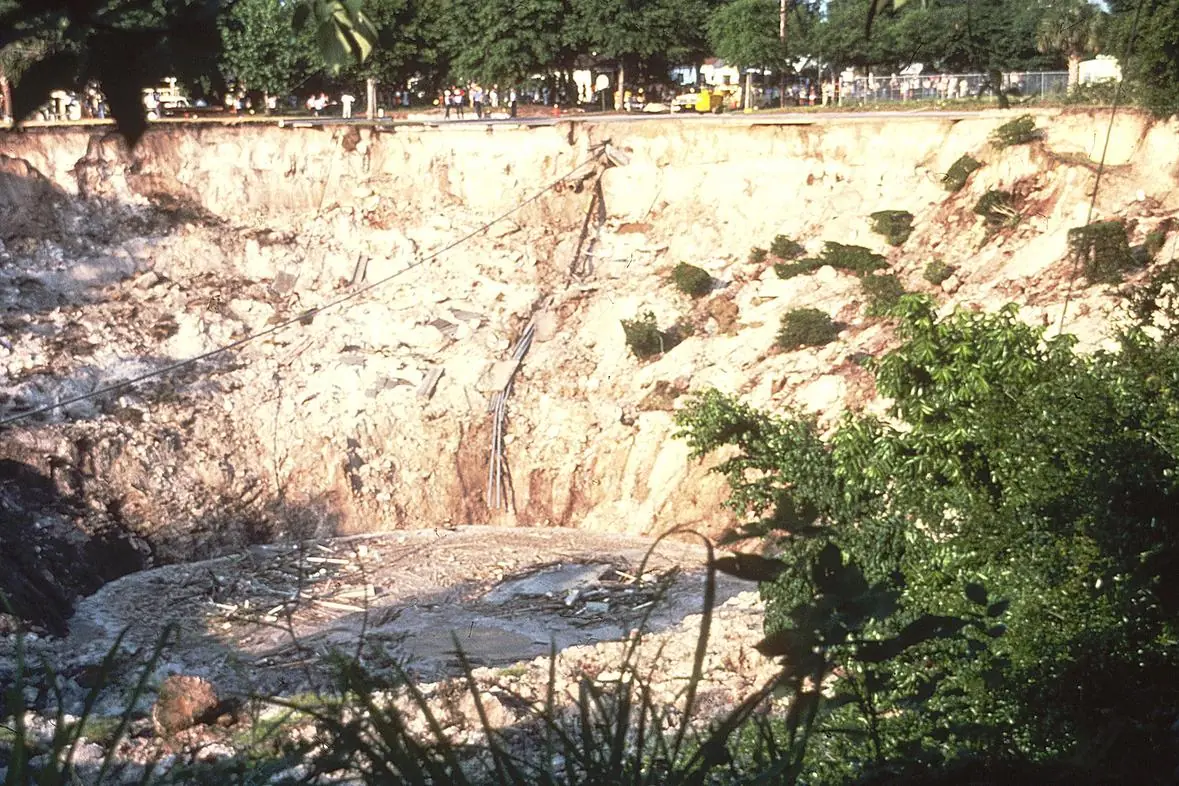
Large open sinkhole with steep sandy limestone walls and debris at the bottom
Soil Guide

Sinkholes and Slab Foundations in Tampa Bay

Sinkholes and slab foundations in Tampa Bay share the same ground: Hillsborough, Pasco and Hernando counties make up Florida's Sinkhole Alley. That's a reason to check the soil before pouring a house slab, not a reason to panic. This guide covers what the counties' record means, what the state's database can and can't tell you, and when a soil test pays for itself.

  • Sinkhole Alley counties
  • State database caveats
  • When to test the soil
  • Signs to look for
Get a Free Quote

Last reviewed October 2026.

Sinkhole Alley and Tampa slab foundations

Three counties around Tampa Bay report more confirmed sinkholes than anywhere else in Florida and account for most of the subsidence activity reported statewide: Pasco, Hernando and Hillsborough. Pinellas County ranks lower, sixth, and its activity is concentrated inland rather than on the coastal barrier islands.

Tampa Bay counties and sinkhole activity
CountyStandingNote
HillsboroughSinkhole AlleyTampa and its unincorporated suburbs
PascoSinkhole AlleyNorth of Tampa
HernandoSinkhole AlleyNorth of Pasco
PinellasSixth statewideActivity mostly inland, not on the barrier islands

Swipe the table sideways to see every column →

Source: greatflorida.com, top 10 sinkhole-prone counties in Florida, 2026.
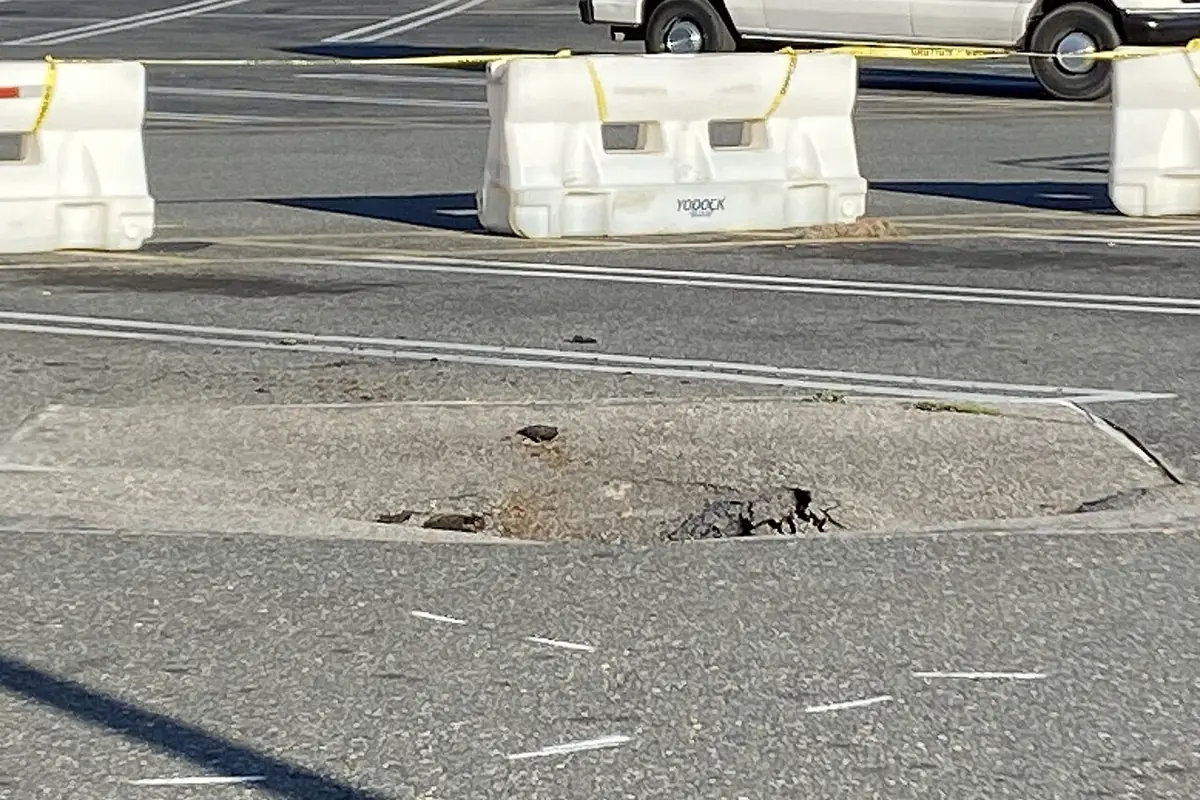
Cracked, sunken patch where a sinkhole reopened in a parking lot, fenced off with barriers
A patched sinkhole that dropped again under a parking lot.

What the state's sinkhole database can't tell you

The Florida Geological Survey publishes subsidence incident reports through its Map Direct tool. It's a useful record, but the Survey itself stresses that most reports have not been field-checked. Some turn out to be sinkholes and some don't. A dot near your lot proves little, and an empty map proves nothing.

What actually tells you about your lot

A geotechnical soil evaluation, done for the specific footprint, before the slab is designed. For a house or addition it's part of doing the job right in this county. The engineer's report also sets what the footings and slab need, which is cheaper to know before the pour than after.

Signs worth a closer look before you pour

  • A round depression in the yard that holds water or keeps growing
  • Cracks in a nearby driveway, patio or wall that keep widening
  • Fence posts or trees starting to lean for no obvious reason
  • A neighbor's history of foundation repair or a reported sinkhole on the street
  • Old fill, a filled pond or buried debris on the lot

None of these proves a sinkhole. Each is a reason to ask a geotechnical engineer before a heavy slab goes down.
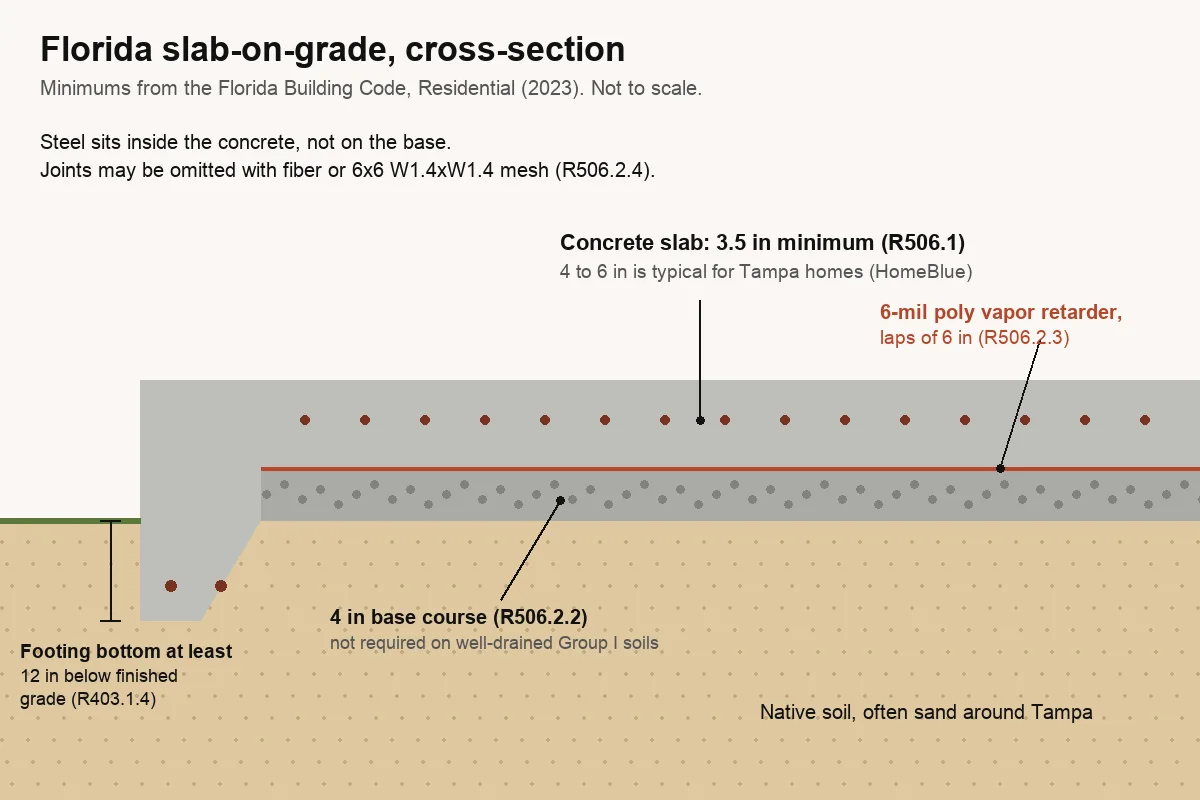
Slab and footing section for sinkholes and slab foundations in Tampa Bay: concrete, vapor retarder, base and footing on native soil
Our own diagram from the Florida Building Code, Residential (R403, R506). Not to scale and not a design for any property.

Matching the check to the project

How much soil investigation a Tampa Bay slab warrants
ProjectReasonable first step
House, addition, ADUGeotechnical soil evaluation before design
Metal building or large shopSoil evaluation, especially with heavy columns or equipment
Garage or carportSite history and a look for warning signs; evaluation if any show up
Shed pad, patio, equipment padStrip to firm soil and compact; ask an engineer if warning signs appear

Swipe the table sideways to see every column →

Already have a slab that dropped?

A settled slab on a Sinkhole Alley lot needs the cause found before anyone lifts or replaces it. See level or replace a sunken slab. For new work, see slab foundations, concrete footings or the concrete slab contractor Tampa FL home page.

Request a Free Quote

Takes about a minute. The quote is free, with no obligation.

Sinkholes and Slab Foundations in Tampa Bay: FAQ

What is Sinkhole Alley in Florida?

The name given to Hillsborough, Pasco and Hernando counties, the three Florida counties that report the most confirmed sinkholes and account for most reported subsidence activity in the state. Pinellas ranks lower, with activity concentrated inland rather than on the barrier islands.

Can you build on a sinkhole?

On an active or suspected sinkhole, that's a question for a geotechnical engineer, not a concrete contractor, and the answer may be repair of the ground first or a different site. On a normal lot in a sinkhole-prone county, building is routine; the soil evaluation is what tells the two apart.

Should I get a soil test before pouring a slab in Tampa?

For a house, an addition or a large building pad in Hillsborough County, yes, it's money well spent. For a shed pad or patio, a look at the lot's history and any depressions or cracking nearby is usually the first step.

Does the state's sinkhole map show whether my lot is safe?

No. The Florida Geological Survey keeps a public database of subsidence incident reports, but it says most of them have not been field-checked. A report near you isn't proof of a sinkhole, and no report isn't proof there isn't one.

Does sinkhole insurance cover a new slab?

That's a policy question for your insurer, and coverage differs by policy. Ask what is covered and what the insurer requires before you build, and keep any soil report you pay for.

Planning a slab on a Tampa Bay lot?

Send the size and the address for a free quote.

Get a Free Quote
Free Quote