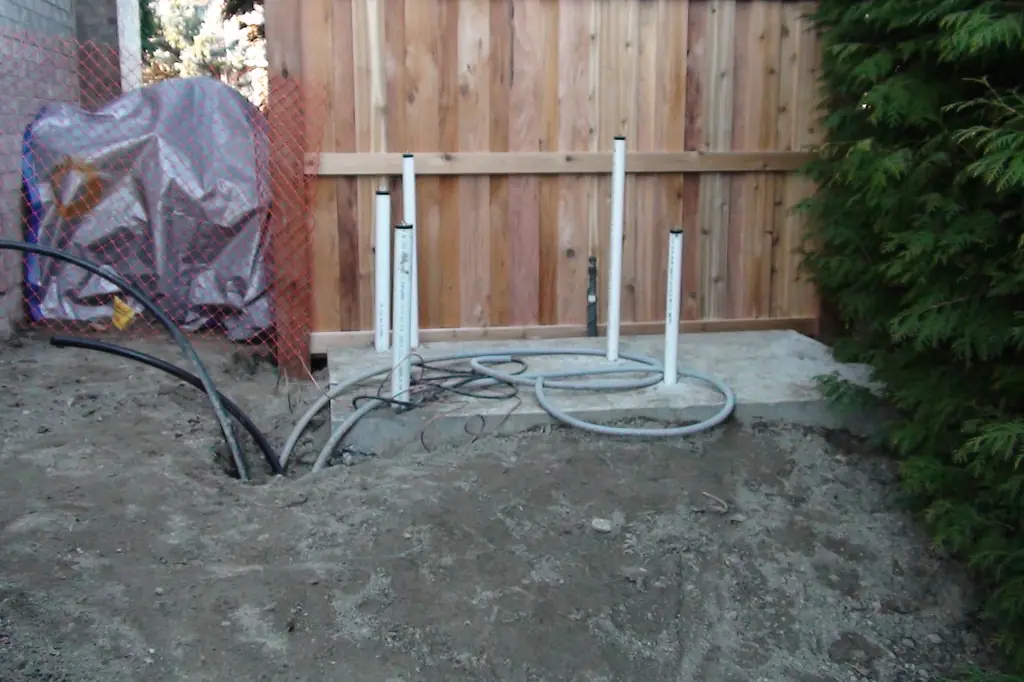
What a pool equipment pad has to do
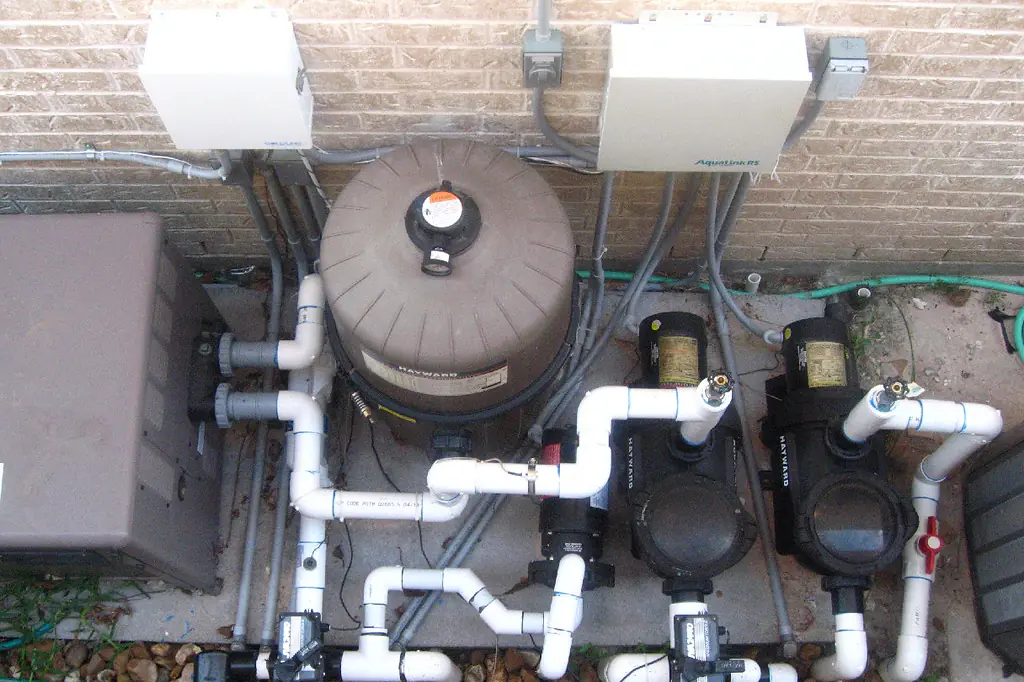
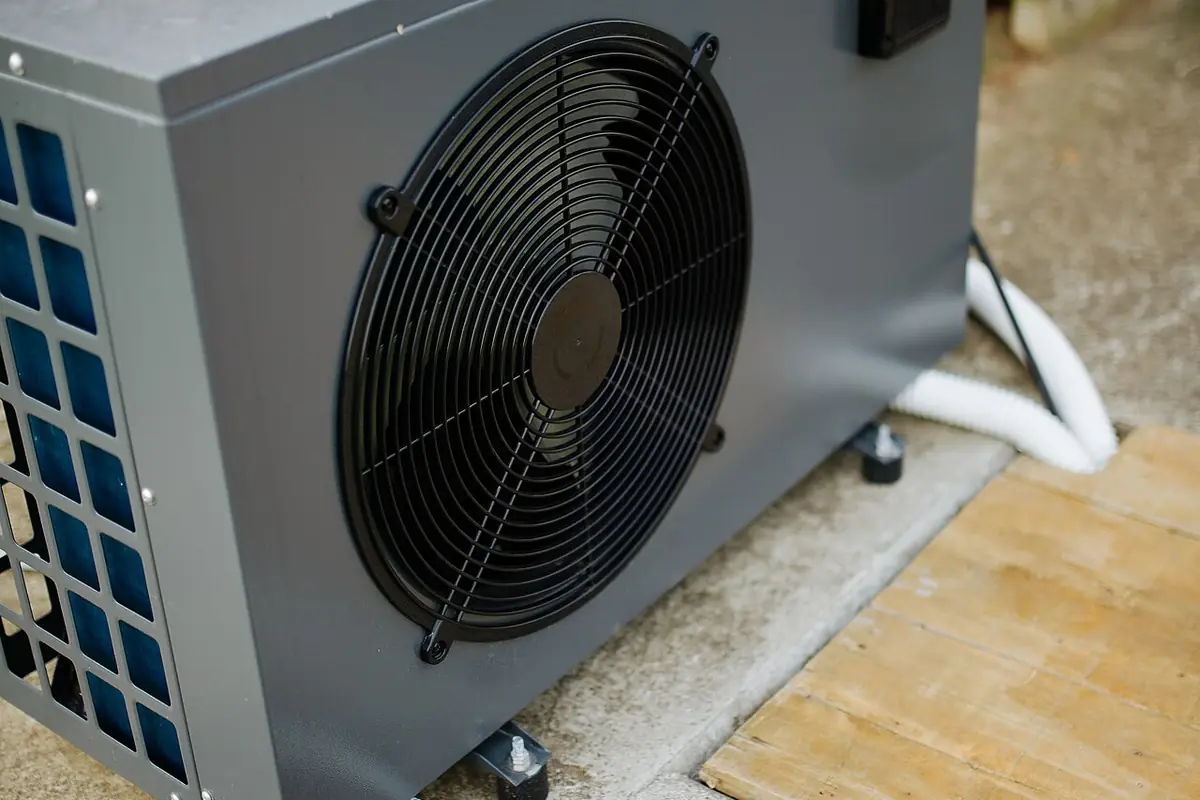
A pool equipment pad holds the heavy, wet, vibrating heart of the pool: a pump, a filter tank full of water, valves, maybe a gas heater or a heat pump, and the electrical that feeds them. It has to stay level so pipe joints don't strain, stay above the water that collects in a Tampa side yard after a storm, and give the equipment something to be fastened to.
| Item | What applies | Source |
|---|---|---|
| Heater or heat pump on the ground | Level, on concrete or approved material at least 3 in above adjoining ground | FBC-R M1305.1.4.1 |
| Fastening | Appliances designed to be fixed in position are fastened or anchored | FBC-R M1307.2 |
| Grade near the house | Impervious surfaces within 10 ft of the foundation slope at least 2% away | FBC-R R401.3 |
| Clearances | Distance from walls, windows and other units | Each equipment maker's installation manual |
| Wind | Design winds around 150 to 160 mph; wind-borne debris region | Florida Building Code 2023, Hillsborough County values |
Swipe the table sideways to see every column →
Sizing a pool equipment pad
Measure what will sit on the pad, then add the working room around it. Every manufacturer publishes clearances for its heaters and heat pumps, and those numbers decide the pad far more than the pump does. Plan for the equipment you may add later, such as a heat pump or a second pump, so the pad doesn't have to be extended.
- List every piece: pump, filter, heater or heat pump, salt cell, automation panel
- Pull the clearance numbers from each installation manual
- Leave a path to reach filter lids, drain plugs and unions
- Keep the heater or heat pump away from the bedroom window
- Set pipe sleeves and conduit stubs before the pour so nothing gets cut in later
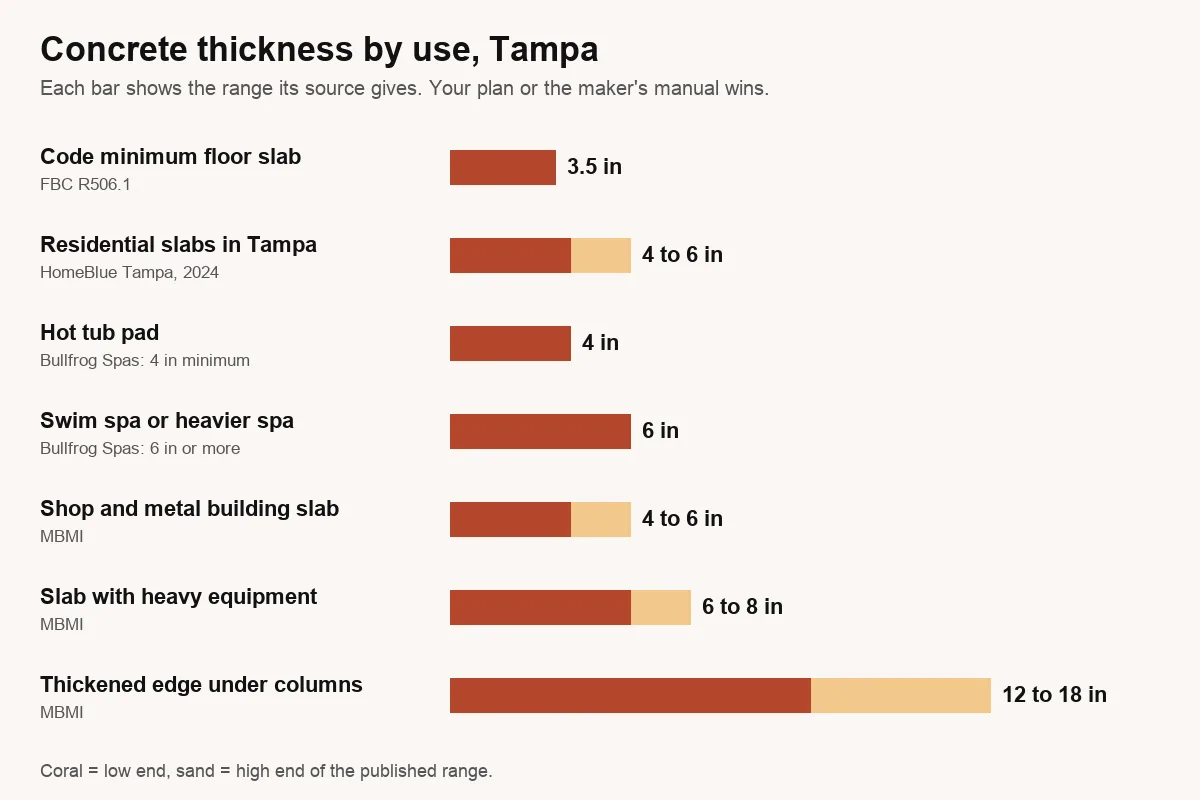
Drainage in a Tampa side yard
Equipment pads usually end up in the narrow side yard between the house and the fence, which is also where roof water runs and where a summer downpour has the least room to go. A pad set right on the dirt turns into a basin. Raising it 3 inches or more, sloping the top away from the wall and keeping the surrounding grade falling away from the house, as Florida's code asks within 10 feet of the foundation, keeps motors and connections dry.
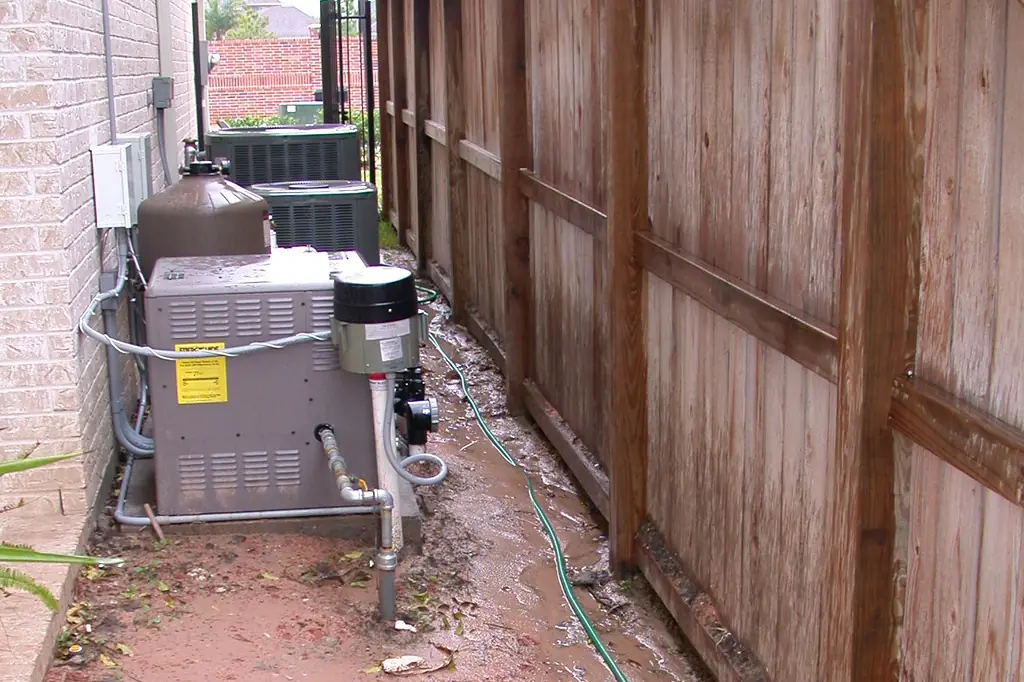
Low lots and flood zones
If your lot is in a mapped flood zone, the equipment's elevation is worth a question to the county before the pad height is set. The Tampa flood zone guide explains how to look up your zone.
Anchoring equipment for hurricane season
Florida's code says fixed appliances get fastened or anchored, and Tampa's wind numbers explain why. A heat pump with its own anchor holes should be bolted or strapped to the concrete the way its maker specifies. Anchor points are easier cast into fresh concrete than drilled later; the wind and anchoring guide has the background.
Also pouring an AC pad on the same side of the house? See AC condenser pads or the overview of concrete pad installation in Tampa. We pour the pad only; the screen cage over the pool and pool-deck coatings are other trades.