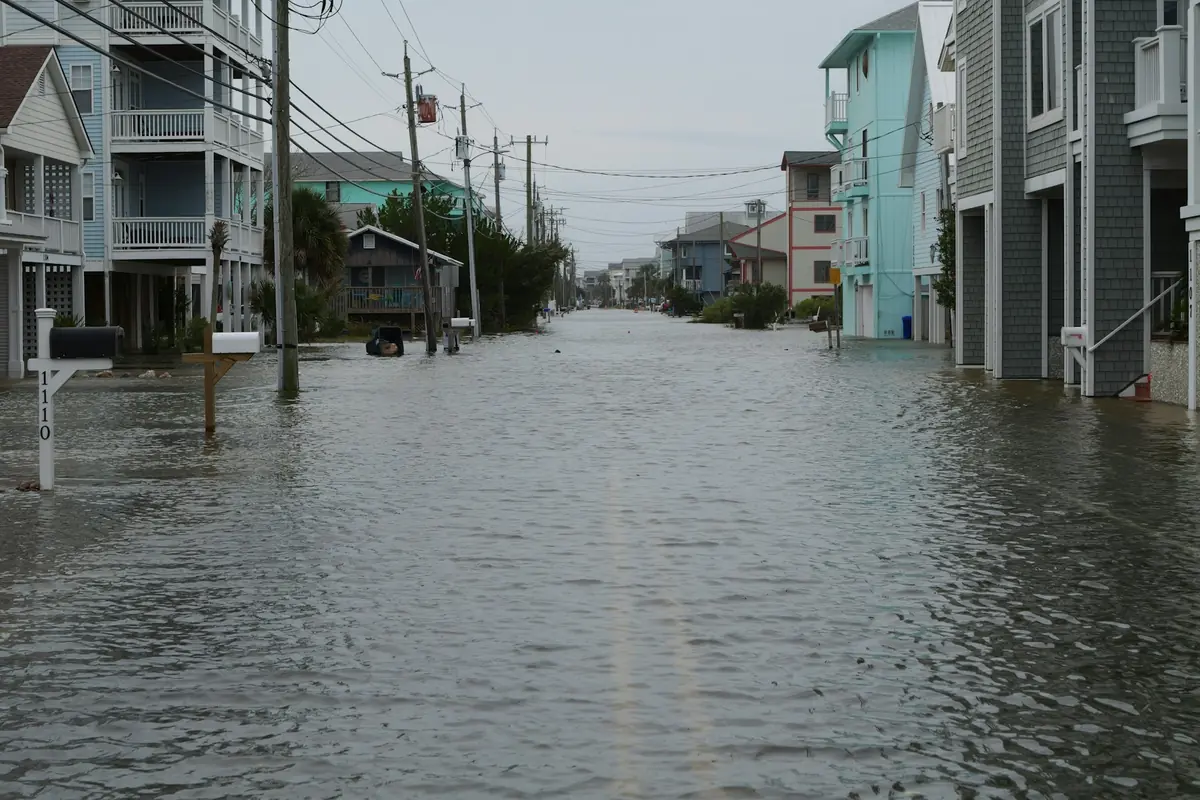
Last reviewed October 2026.
Step one: look up your Tampa flood zone
FEMA's Flood Map Service Center shows the Flood Insurance Rate Map for any address. Type it in, open the map, and note the zone letter and, for zones that have one, the base flood elevation. That letter decides a lot about the slab.
What the zone letters mean
| Zone | FEMA meaning | For a new slab |
|---|---|---|
| A, AE | Special Flood Hazard Area: the 1-percent-annual-chance (100-year) flood | Flood rules apply; county permit exemptions do not |
| VE | Special Flood Hazard Area, high-risk | Talk to the county before any design |
| X (shaded) | Between the 1-percent and 0.2-percent (500-year) flood | Moderate hazard; grade and drainage still matter |
| X (unshaded) | Outside the SFHA, above the 0.2-percent flood | Minimal hazard |
Swipe the table sideways to see every column →
Definitions from FEMA's flood zone glossary. Your map panel is the authority for your lot.
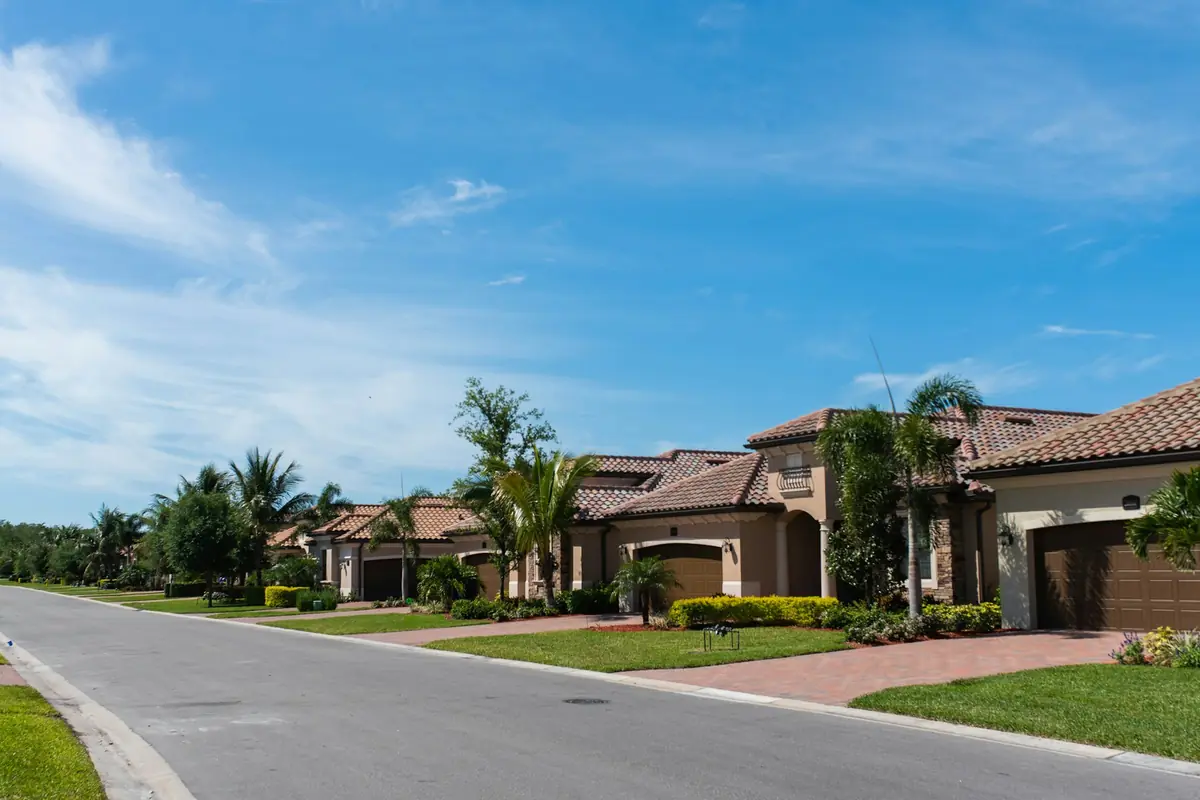
How Tampa flood zones change concrete slab elevation
- Hillsborough County permit exemptions, such as the one for sheds under 150 square feet, don't apply on property partly or entirely in a flood hazard area
- Structures over 150 square feet in a Special Flood Hazard Area follow ASCE 24-14, the Florida Building Code and NFIP standards
- The finished floor of a house or addition is set relative to the base flood elevation
- Fill brought in to raise a pad changes drainage for you and your neighbors
- Equipment pads for AC units, pool heaters and generators are worth raising on a low lot
The number we didn't publish: freeboard
Floodplain rules can require new construction to sit a set distance above the base flood elevation, called freeboard. Hillsborough County's own floodplain pages did not give that figure in a form we could confirm, so this guide doesn't print one. Ask the county's floodplain administrator, or the City of Tampa for an address inside city limits, before a floor height is drawn.
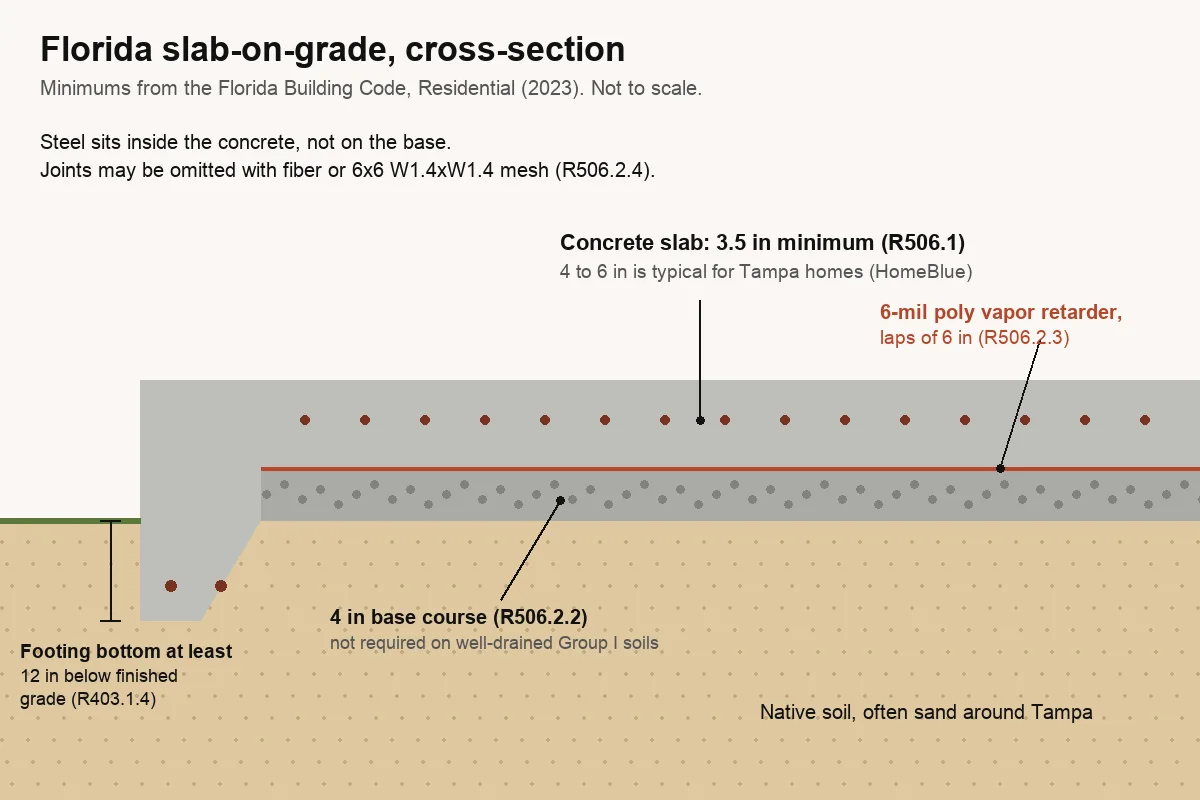
Low lots outside the mapped zones
A Zone X lot can still take water in a summer cloudburst. Florida's residential code asks for the ground to fall at least 6 inches in the first 10 feet from a house and for hard surfaces within 10 feet to slope 2 percent away, and those two rules do most of the work of keeping a new slab dry.
Related: slab foundations, shed pads and the concrete slab contractor Tampa FL home page.