Last reviewed October 2026. Rules change; confirm with the office for your address.
First: City of Tampa or Hillsborough County?
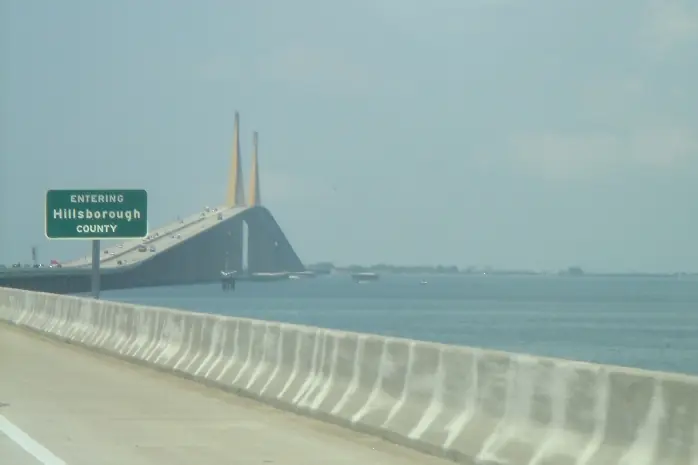
Concrete slab permit questions start with an address. Inside Tampa city limits, the City of Tampa issues building permits and runs accessory structures through a five-step online process (application, fee estimate, plan review, inspections, completion). In unincorporated Hillsborough County, which includes Brandon, Riverview, Valrico, Seffner, Town 'N' Country and Carrollwood, the county issues permits through HillsGovHub. The two don't always draw the same lines.
| Your address | Permit office | Online system |
|---|---|---|
| Inside Tampa city limits | City of Tampa Construction Services | City permit portal (Accela Citizen Access) |
| Unincorporated Hillsborough County | Hillsborough County permitting | HillsGovHub |
| Another city in the county | That city's building department | Varies |
Swipe the table sideways to see every column →
The 150 square foot line in Hillsborough County
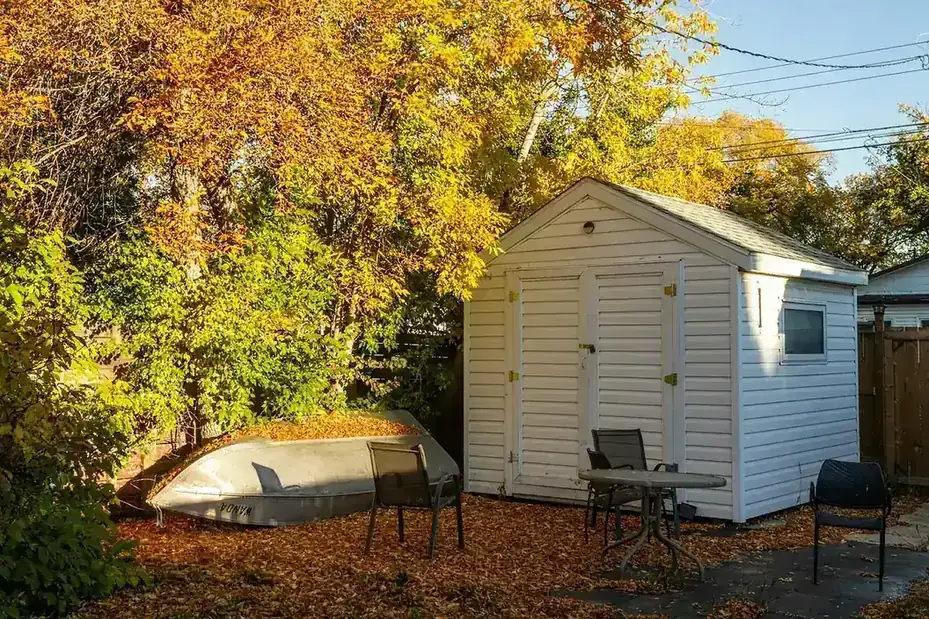
Hillsborough County's list of work exempt from permits includes residential sheds and greenhouses under 150 square feet. Its accessory structure checklist then covers structures over 150 square feet, naming sheds, gazebos and carports. Between those two pages sits the rule most Tampa Bay homeowners need.
| Project | What the county's pages say | Next step |
|---|---|---|
| Shed or greenhouse under 150 sq ft | No permit, unless the lot is in a flood hazard area | Confirm your flood zone |
| Shed, gazebo or carport over 150 sq ft | Residential Miscellaneous building permit, site plan, sealed or DCA-approved plans | Plans before the pad is poured |
| Metal building, detached garage | An accessory structure over 150 sq ft | Permit with sealed plans |
| Patio, driveway, equipment pad | Not listed on the exemption page either way | Ask the county for your address |
| House or addition slab | Part of the building permit | Follows the approved plans |
Swipe the table sideways to see every column →
The flood-zone exception
The county's exemption page says, citing HB 803, that permit exemptions don't apply when a property is partly or entirely in a flood hazard area. On those lots, a 10x12 shed that would be exempt a few streets inland may need a permit. For structures over 150 square feet in a Special Flood Hazard Area, the county's checklist adds ASCE 24-14, the Florida Building Code and National Flood Insurance Program requirements.
Look up your zone on FEMA's Flood Map Service Center → and read the Tampa flood zone guide for what the zones mean.
What an over-150 permit asks for
- A scaled site plan with the new structure and existing buildings
- Property lines with dimensions and the setback from the structure to each line
- Easements, conservation areas and wetlands
- Trees 12 inches or more in diameter, and permits for any being removed
- Plans that meet the Florida Building Code, sealed by a Florida architect or engineer, or approved DCA plans
- A recorded Notice of Commencement before the first inspection
- An Owner-Builder Disclosure Statement if the owner is acting as the contractor
Why the plans matter to the slab
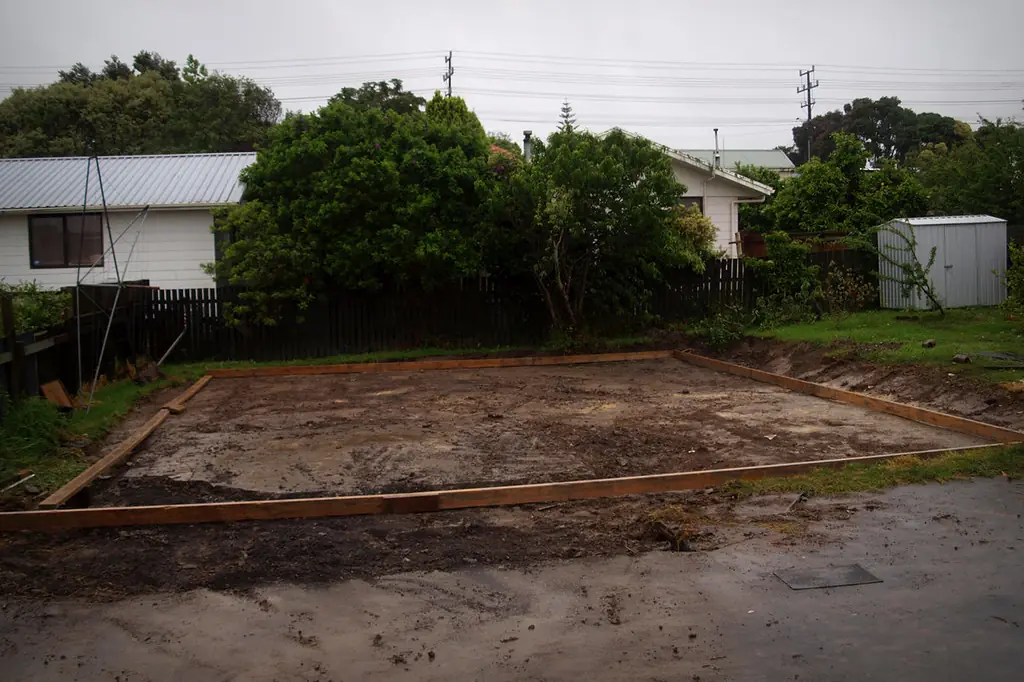
The sealed plans for a shed, carport or metal building show how it's anchored for Tampa's 150 to 160 mph design wind, and the anchors land in the slab. A pad poured before the plans exist may not match them. The hurricane anchoring guide explains why.
What this guide could not confirm
Two numbers are left for you to get from the source rather than from us: the City of Tampa's own exemption size for accessory structures, and Hillsborough County's freeboard requirement for how far above base flood elevation new construction must sit. Both can change a project, so ask the City or the county's floodplain office directly.
Related services: concrete pad installation, pool equipment pads, carport slabs, metal building slabs and driveway extensions.